Our Work in Greenville
Projects in Greenville
View Full Gallery →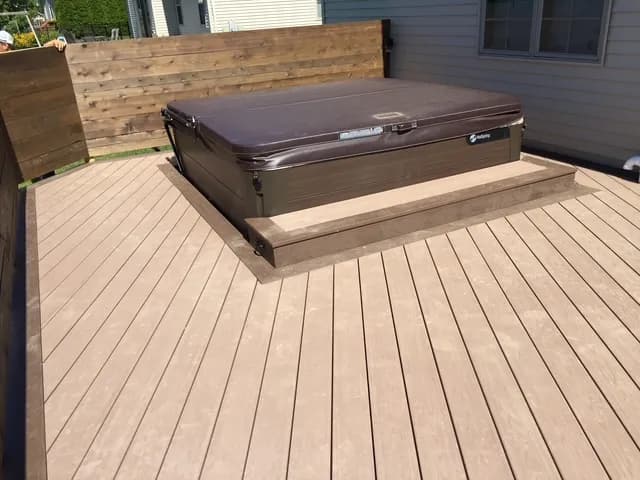
Deck with Hot Tub Integration
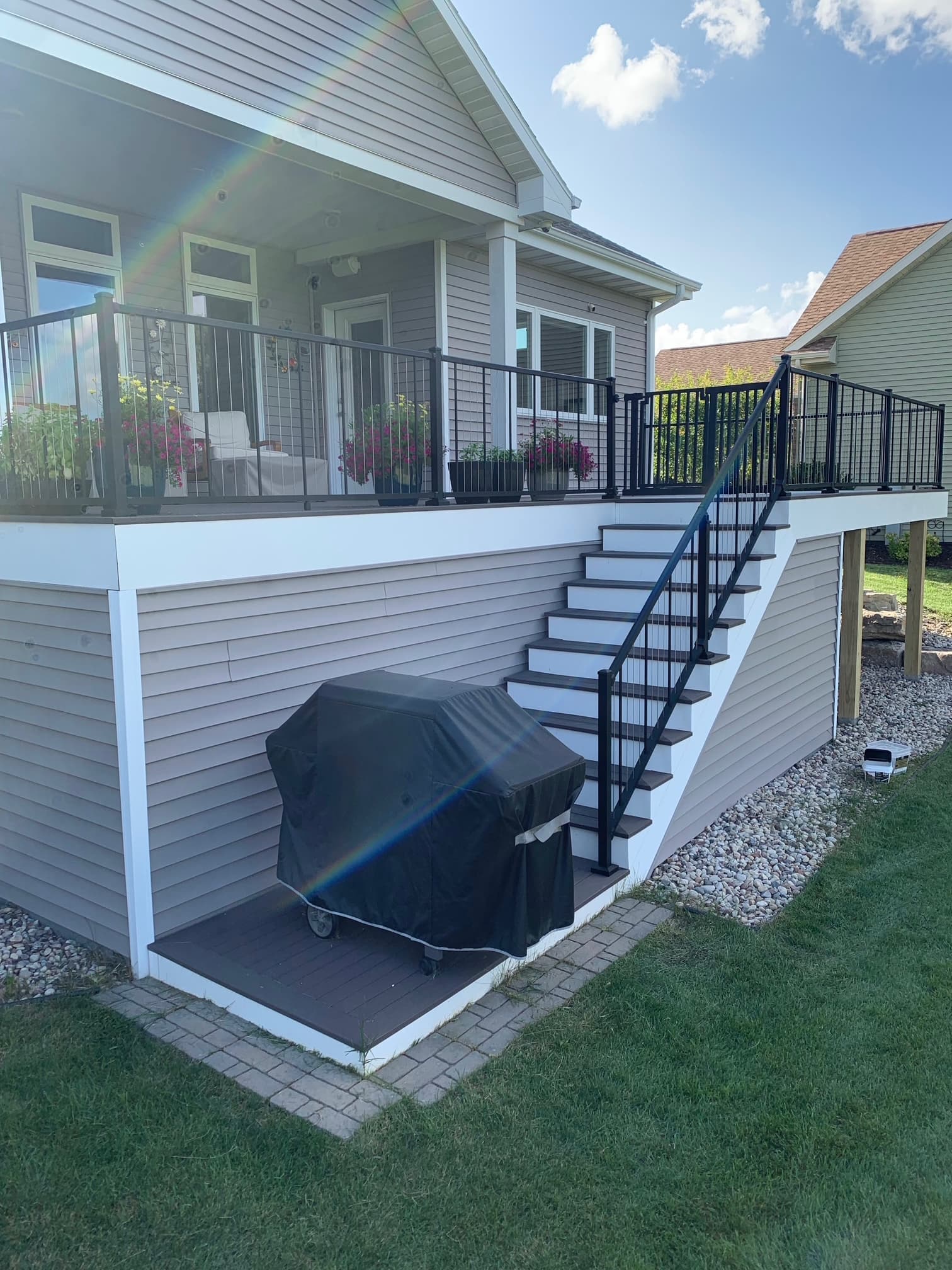
Covered Composite Deck
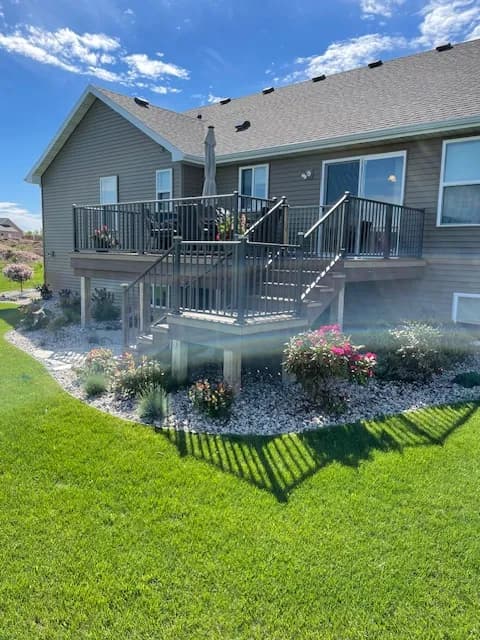
Multi-Level with Powder-Coated Railings
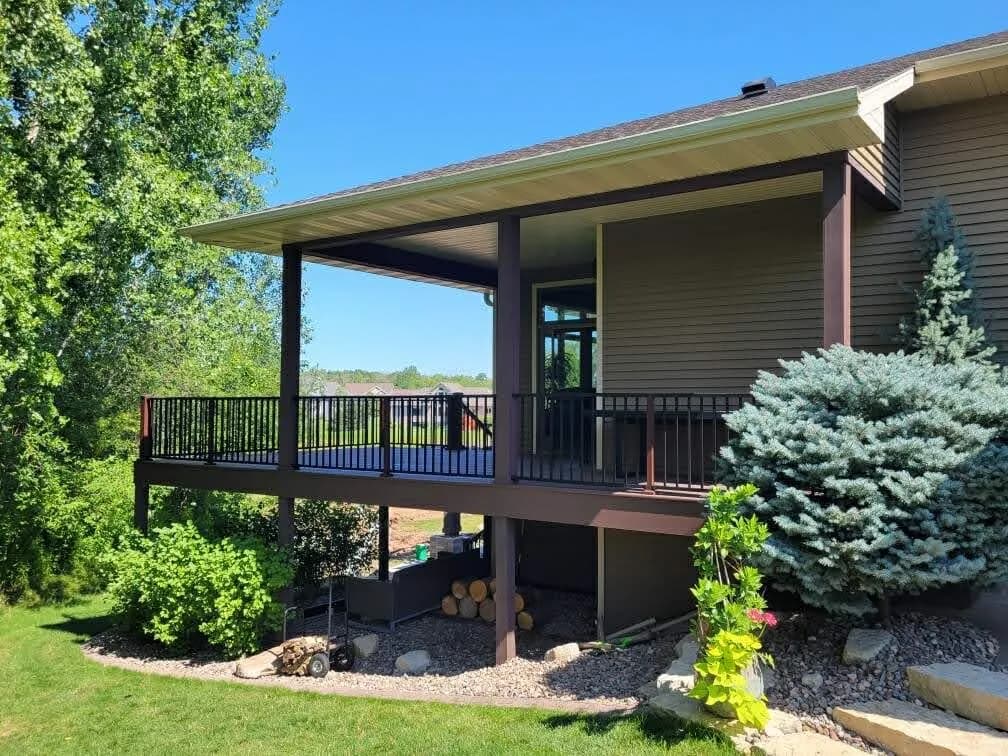
Composite decks, covered structures, and patio roofs for Greenville's growing community of homeowners — with ballpark pricing at your design consultation and a full fixed-price proposal within 24 hours.
Greenville ranks among Wisconsin's fastest-growing towns, a transformation visible in the Apple Creek subdivision's contemporary homes, the commercial development along the Shopko and Walmart corridor, and the steady conversion of agricultural land into residential neighborhoods. Tech Five Design & Build has built extensively here, with multiple Greenville projects featured in our gallery showcasing composite decks, multi-level designs, and covered structures. As a town rather than a village or city, Greenville operates under a different permit structure — applications route through Outagamie County, a process we navigate regularly. Many Greenville homes date from 2010 forward, meaning we frequently work with contemporary construction methods, modern floor plans designed for outdoor living integration, and homeowners who chose new builds specifically to get the lot sizes and features they wanted. The soil composition varies significantly across Greenville's geography: sandy glacial deposits in some areas provide excellent drainage and straightforward foundation conditions, while clay pockets elsewhere require adjusted footing depths and drainage planning. Near the Hortonville border, Greenville retains genuine rural character — properties measured in full acres rather than quarter-acre subdivisions, with space for outdoor living designs that would overwhelm smaller lots. The AJ Dillon Park area draws young families seeking the town's combination of newer homes, quality schools, and outdoor recreation access. We design decks for these households with durability and family function as primary considerations.
As a town, Greenville permits route through Outagamie County rather than a local building department. We understand this process, prepare county-compliant structural plans, and coordinate inspections through the county system so permitting does not delay your project.
Greenville's geology ranges from sandy glacial deposits with excellent drainage to clay pockets that hold water and shift seasonally. We test soil conditions during site evaluation and engineer footing depths and drainage approaches matched to your specific lot composition.
Many Greenville homes were built in the last fifteen years with contemporary floor plans and walk-out basements designed for deck integration. We work with these modern transitions to create outdoor spaces that feel like natural extensions of interior living areas.
Properties near the Hortonville border retain Greenville's agricultural heritage — full-acre lots and genuine rural character. We design decks proportioned to these generous properties, with outdoor living areas scaled to match expansive yard space rather than cramped suburban footprints.
Greenville's growth has transformed the town over two decades, but the character varies significantly by neighborhood. The Apple Creek subdivision represents Greenville's contemporary development: homes built from 2010 forward with modern floor plans, walk-out basements, and lots sized from quarter-acre to half-acre. These properties were designed with outdoor living in mind, featuring grade transitions and door placements that anticipate deck construction. Homeowners here typically want outdoor spaces that extend open-concept interiors, creating flow between kitchen-dining areas and exterior entertaining zones. Near the Hortonville border, Greenville retains rural character that distinguishes it from denser Appleton suburbs. Full-acre properties with established trees and genuine separation from neighbors allow for deck designs impossible in tighter settings — expansive multi-zone layouts, covered structures with generous footprints, and outdoor living areas that feel appropriately scaled to the surrounding land. These lots often attract homeowners seeking space for kids, gardens, and the kind of outdoor living that requires room to breathe. The AJ Dillon Park area has become a focal point for young Greenville families, drawn by newer construction, park access, and the town's school quality. Decks in this area serve active households — surfaces durable enough for kid traffic, layouts that accommodate playdates and family gatherings, and design choices that prioritize function for growing families over architectural statement. Soil conditions vary substantially across Greenville's footprint. The town sits on glacial deposits, with some areas featuring sandy, well-draining soils ideal for construction and others containing clay that holds moisture and shifts with freeze-thaw cycles. During our site evaluation, we assess your lot's specific soil composition and adjust foundation engineering accordingly — deeper footings in clay areas, drainage provisions where water tends to collect, and structural approaches calibrated to your actual conditions rather than generic assumptions. Greenville's town status means building permits route through Outagamie County rather than a local department. We navigate this county process regularly, preparing structural plans that satisfy county requirements and coordinating inspections through the county building inspection division.
As a town, Greenville does not operate its own building department. Permits route through Outagamie County Building Inspection, which applies county-level code requirements and conducts inspections. We prepare structural plans that satisfy county standards and coordinate the county inspection process. Timeline runs similar to other jurisdictions — typically two to three weeks for permit approval.
Greenville sits on glacial deposits with variable soil composition. Some areas have sandy soils with excellent drainage and stable bearing capacity. Others contain clay that holds water, shifts with freeze-thaw cycles, and requires deeper footings and drainage provisions. We test soil conditions during our site visit and engineer your deck's foundation specifically for your lot's composition.
Yes, and newer Greenville homes often present ideal conditions for deck integration. Homes built from 2010 forward typically feature walk-out basements, grade transitions designed for deck attachment, and modern floor plans where outdoor living was anticipated in original design. We work with these conditions to create seamless indoor-outdoor transitions.
Full-acre properties in Greenville's rural areas allow for expansive outdoor living impossible in tighter settings. We design multi-zone layouts with separate areas for grilling, dining, and lounging — plus covered structures, fire pit integration areas, and footprints scaled to match generous yard space. These properties benefit from designs that would overwhelm quarter-acre subdivision lots.
Young Greenville families need outdoor spaces that accommodate real life — kid traffic, pets, playdates, and daily use. We specify durable composite surfaces that handle heavy use, design stair configurations with child safety in mind, position grill zones away from play areas, and create layouts flexible enough to serve families as they grow.
Our gallery includes multiple Greenville builds: composite decks in contemporary subdivisions, multi-level designs taking advantage of walk-out basement transitions, and covered structures on larger rural properties. These projects demonstrate our range across Greenville's varied lot types and home styles. We are happy to share specific examples relevant to your property during consultation.
Also Serving Near Greenville
At your on-site design consultation, we walk your property and deliver ballpark pricing before we leave in most cases. Your full fixed-price proposal — with an exact material list and a build schedule for every phase of construction — arrives within 24 hours. Most contractors in the Fox Valley take 2–3 weeks to send a quote. We don't.
We walk your property, discuss your vision, and deliver ballpark pricing at the meeting. Full fixed-price proposal within 24 hours.
Book My Design Consultation